Cost & agronomics
Biological turf program vs. conventional
How a living-soil program compares to synthetic NPK on inputs, agronomics and total cost over a season.
Request the paperPlant Juice delivers 250+ beneficial microbe species that pull nitrogen from the air, unlock locked-up phosphorus, and extend roots through mycorrhizal networks — so turf greens up top, roots deeper, and holds water on less synthetic input. Mix, dilute, apply. No burn. No 24-hour re-entry.
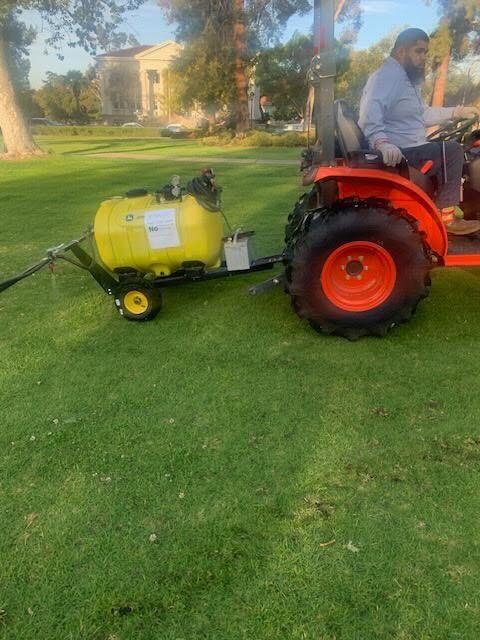
Synthetic salts spoon-feed the plant and shut down the biology underneath. Elm Turf feeds the soil itself — with living microbes you can actually look up by name.
| Synthetic salt conventional NPK |
Generic "organic" dead organic matter |
Biological-only a few strains |
Elm Turf Living Soil Technology |
|
|---|---|---|---|---|
| How it works | Spoon-feeds the plant | Adds inert matter | Limited biology | Feeds a living soil food web |
| Named species disclosed | No | No | A handful | All 250+, published |
| Burn risk | High | Low | Low | Can't burn |
| Re-entry wait | Often 24h+ | Varies | Varies | None |
| Builds roots & long-term soil | No — degrades it | Slowly | Some | Yes |
| Nitrogen runoff load | High | Moderate | Lower | Cuts synthetic N |
| Kid / pet / pollinator safe | No | Usually | Usually | Yes |
Open the jug, add to your tank. No special handling, no protective downtime.
Follow the rate for your turf and acreage. Tank-mixable with what you already run.
Spray it on. It's a fast-acting liquid — not a granule you wait weeks to see work.
The same living-soil platform, tuned to how you actually run turf.
A resaleable, recurring program that earns callbacks for the right reasons — healthier turf, fewer complaints, no burn liability.
Playable, resilient turf with fewer inputs and zero re-entry downtime between groups.
Hit organic mandates and cut nitrogen runoff without losing turf quality on fields the public lives on.
Stronger roots and healthier stock, salt-free — biology that travels with the plant to its next home.
Most fertilizer labels stop at three numbers. Ours names every organism — 151 bacterial and 99 fungal species — and what each one does for turf.
Fungal networks (Mortierella, Sebacina, Trichoderma) extend the effective root system far past the plant's own roots — reaching moisture and micronutrients the turf couldn't get to alone. That's resilience through dry spells, on less water.
Rhizobium and Azospirillum pull nitrogen gas (N₂) straight from the air into plant-available form — green color with less synthetic nitrogen applied.
Pseudomonas and Penicillium bilaiae release phosphorus that's chemically locked in the soil — fueling root development and energy transfer.
Growth-promoting rhizobacteria switch on the plant's own defense and signaling pathways — resilience that reduces reliance on pesticides.
Aspergillus, Penicillium and cellulose-feeders break down thatch and organic residue, recycling nutrients back into the soil and building structure.
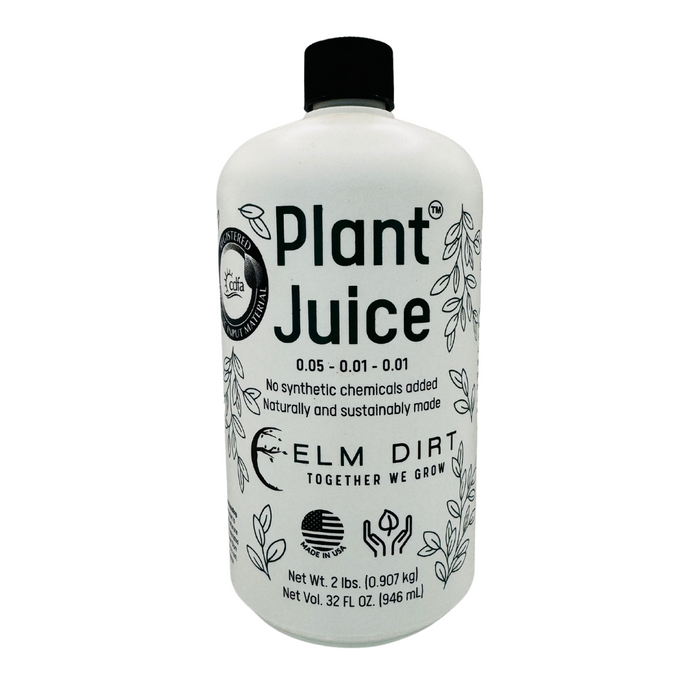
The flagship living-microbe concentrate. Fast-acting, tank-mixable, the foundation of every turf program.
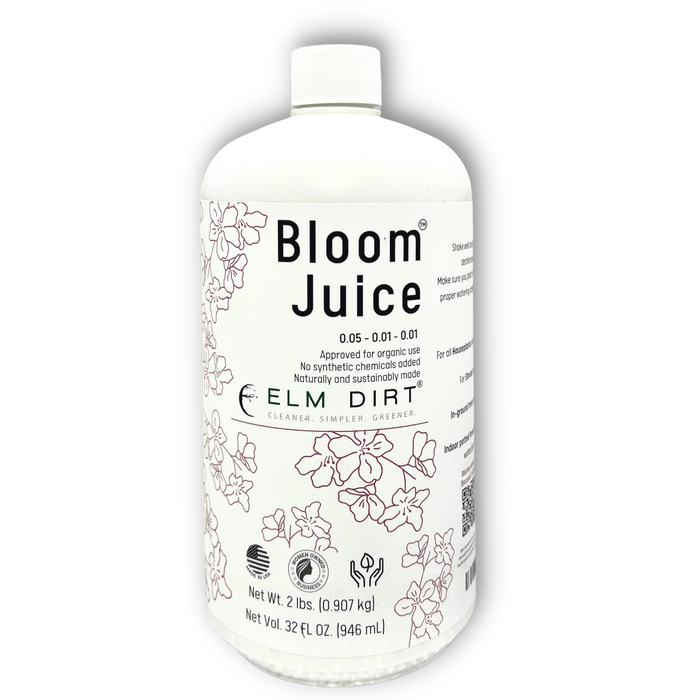
Bloom and root-stage support for flowering stock and nursery production.
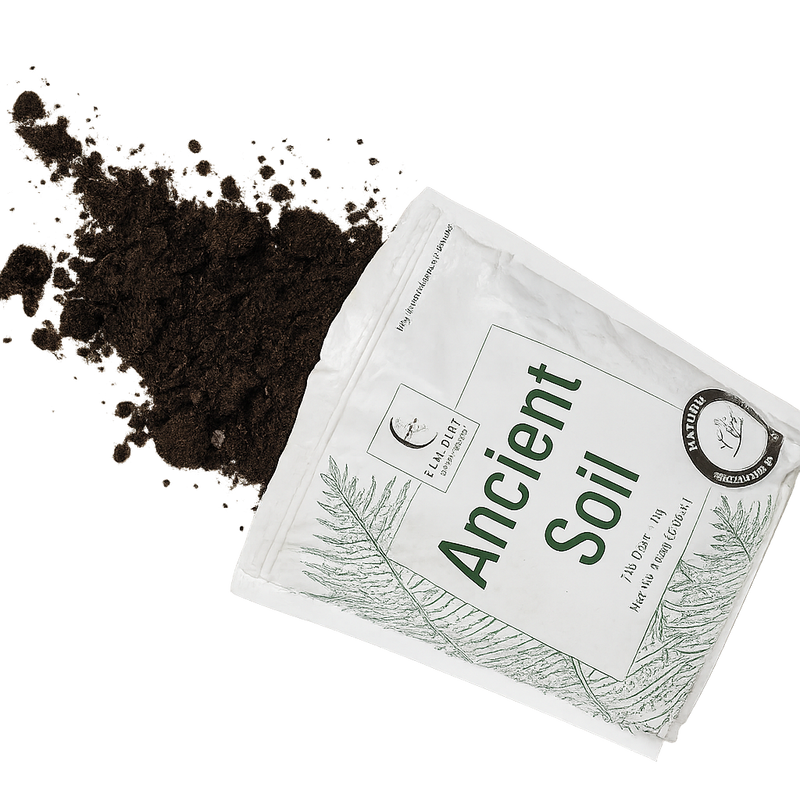
A living, microbe-rich soil base for renovation, topdressing and grow-in.
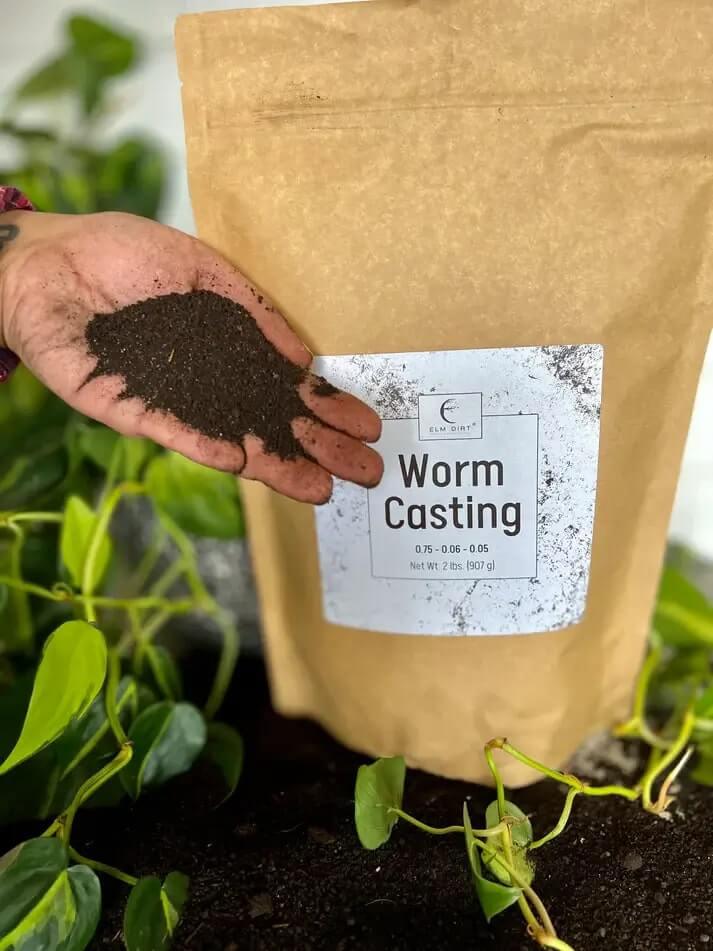
Gentle, biology-dense organic matter that feeds the soil food web.
Bulk & program pricing available. See the professional line → (Final pro-turf SKU lineup to be confirmed.)
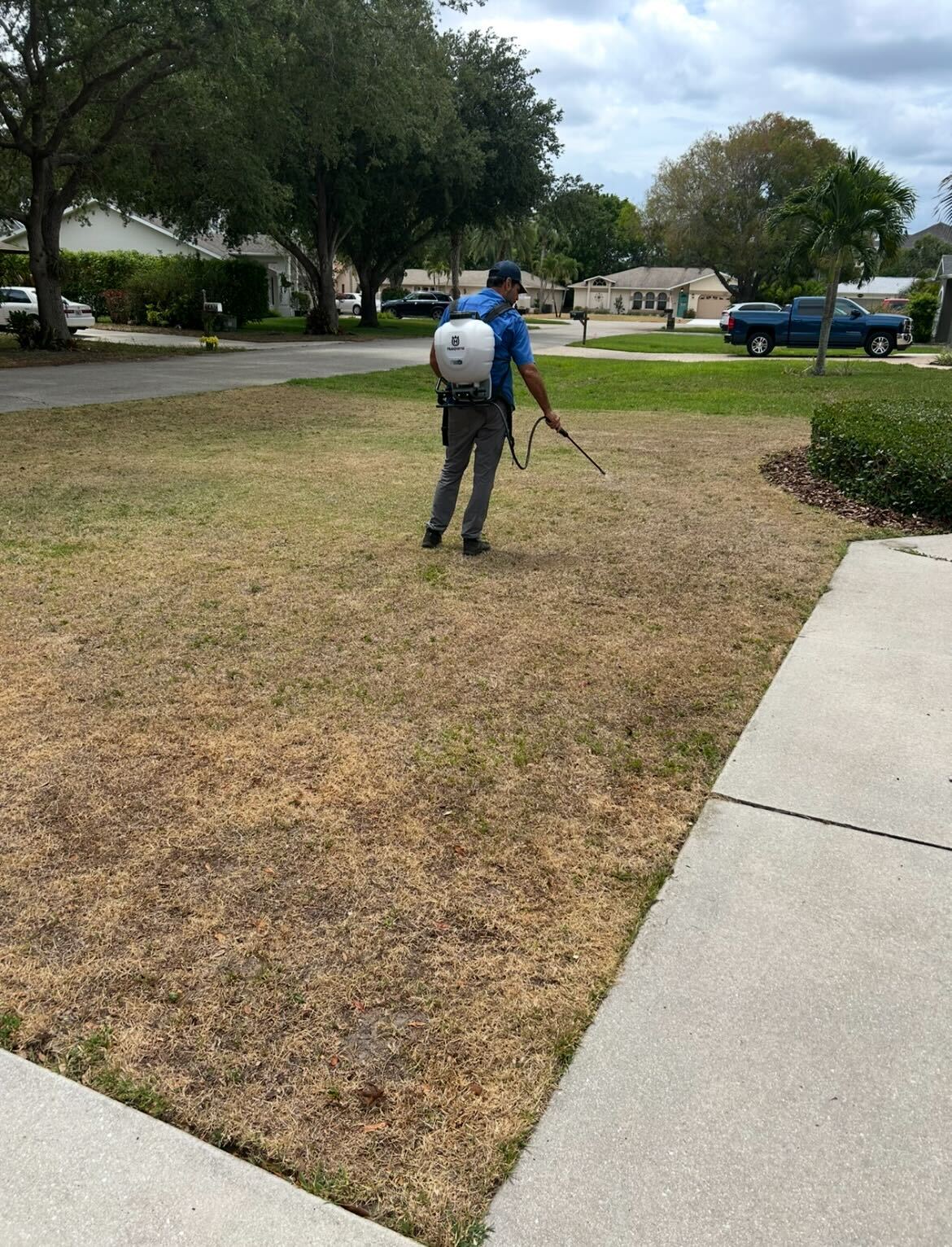 Before
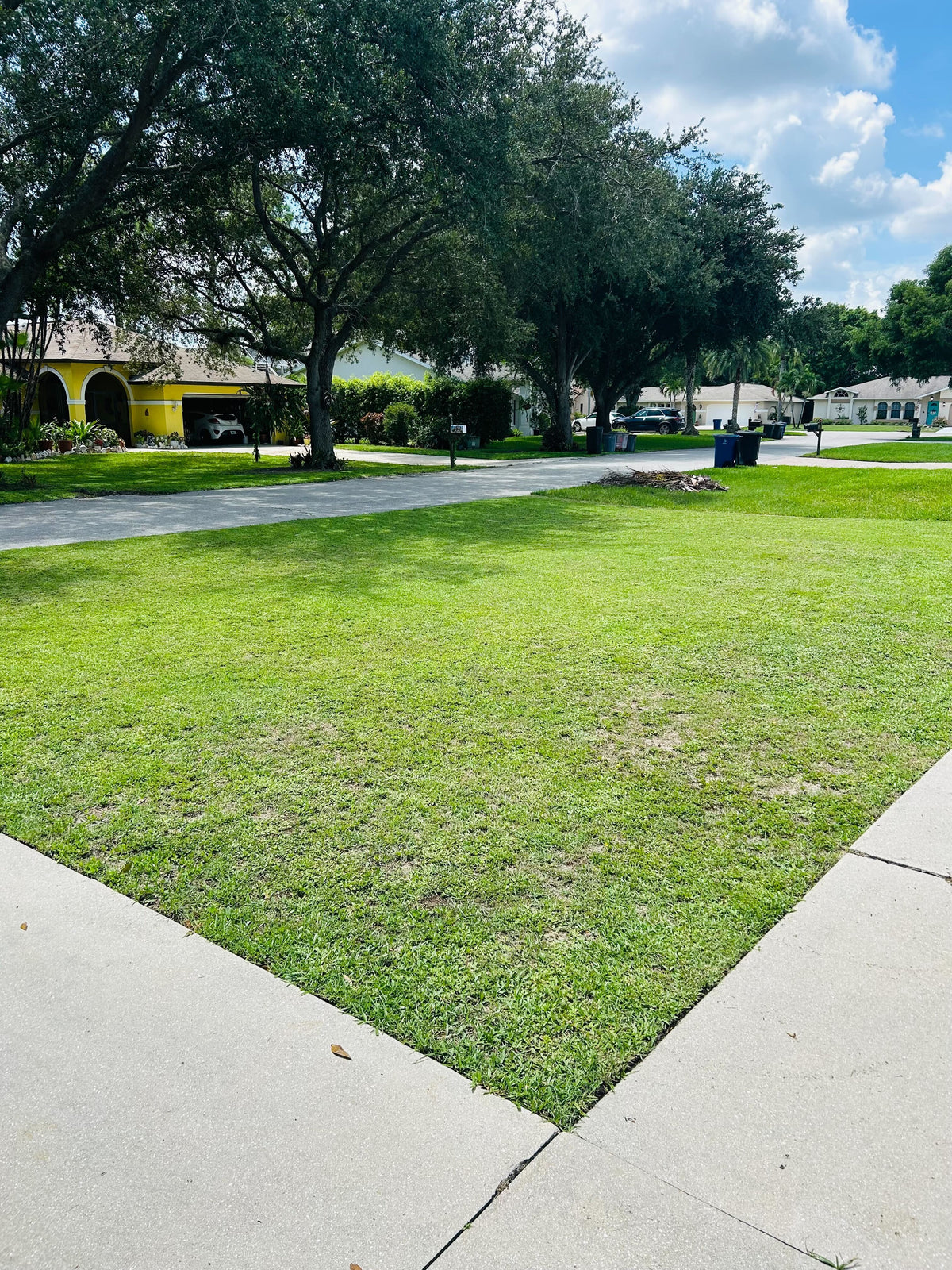 After
After"Add a real, attributed quote from a golf course, municipality, or landscape customer here."
Before/after photos are real Elm professional-lawn applications. Customer quote is a placeholder until a named turf reference is supplied.
Read the summary free. Download the full paper when you're ready to take it to the table.
How a living-soil program compares to synthetic NPK on inputs, agronomics and total cost over a season.
Request the paperReducing synthetic nitrogen load — and the runoff that comes with it — while holding turf quality on public ground.
Request the paperHow fungal root networks extend water reach and what that means for irrigation budgets in dry conditions.
Request the paperChinch bugs, grubs, armyworms — the soil-health approach.
Brown patch, dollar spot, snow mold and the microbes that fight them.
Crabgrass, nutsedge, clover — why healthy soil crowds them out.
How to move a property off synthetics without losing turf quality.
What to apply and when, through the growing season.
Every turf question, indexed for people and AI search alike.
It's a fast-acting liquid, not a slow granule — and because the microbes build a living root system, results compound over the season instead of fading between feedings. You get color and root response, plus soil that keeps improving.
No. It's bio-based, not a salt — so even over-application won't scorch turf. That removes one of the biggest liability risks of conventional fertilizer.
There's no 24-hour re-entry interval. Kids, pets and players can be back on the turf right away.
Yes, 100% organic and bio-based. And unlike conventional products, we publish the full microbial profile: 250+ identified species, 151 bacterial and 99 fungal, with what each group does for turf.
Yes. Mix, dilute to rate, and apply with the equipment you already run. No new gear, no special handling.
Yes — bulk and annual program pricing is available for landscapers, golf, municipal and horticultural operations. Request a custom program and we'll build it to your property and acreage.
Yes — that's exactly what the biological program is built for. Our transition white paper walks through doing it without a quality dip; request it above.
Send me the turf research and I'll show you exactly what living biology does for professional turf — before you commit to anything.
No spam. The white paper, then it's your call.